
Essential Micronutrients for Physical Endurance and Muscle Health
To sustain a high level of physical performance, the body requires a consistent supply of vitamins and minerals. These micronutrients do not provide calories, but they are vital for the chemical reactions that turn food into energy and keep your muscles functioning correctly.
Why Micronutrients Matter for Active Men
For men living active lives, understanding which nutrients are most impacted by physical exertion is the first step toward better vitality. Each vitamin and mineral below plays a specific role — from oxygen transport to nerve signaling — and each can be sourced from foods available in most local produce markets. This guide covers eight essential micronutrients, what they do, and where to find them.
Magnesium for Muscle Function
Magnesium is a powerhouse mineral involved in over 300 biochemical reactions in the body, including muscle contraction and relaxation. For active men, magnesium helps prevent the tightness and discomfort that can follow a heavy training session.
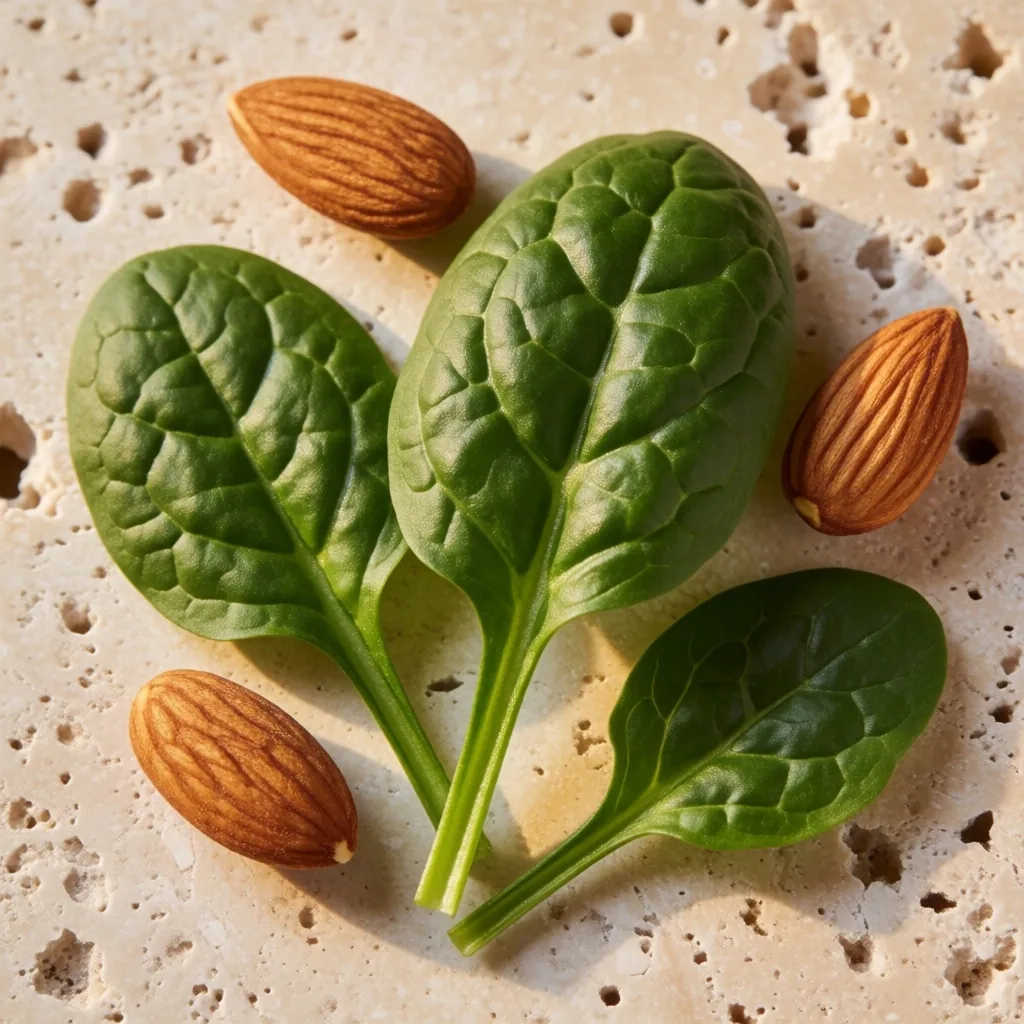
Foods such as spinach, almonds, and black beans are excellent local sources that should be integrated into your weekly meal plan. Consistent intake matters more than occasional large doses — your muscles draw on magnesium steadily throughout the day and especially during sleep.
Zinc and Physical Resilience
Zinc plays a fundamental role in protein synthesis and the maintenance of a healthy immune system. Because it is lost through sweat, men who exercise frequently in tropical climates may need to pay closer attention to their intake.
Incorporating pumpkin seeds, lentils, and lean beef can help ensure your body has the resources it needs to repair tissue after physical stress.
B-Vitamins for Energy Metabolism
The B-vitamin complex, including B6, B12, and folic acid, is essential for converting carbohydrates and fats into usable energy. Without sufficient B-vitamins, you may experience unexplained fatigue despite eating enough calories.
Whole grains, eggs, and fortified cereals are reliable ways to maintain these levels and keep your energy consistent throughout the day.
Vitamin D and Bone Integrity
While often associated with sunlight, Vitamin D is a crucial nutrient for calcium absorption and bone health. Even in demanding training seasons, indoor lifestyles can lead to lower levels, which may affect physical strength.
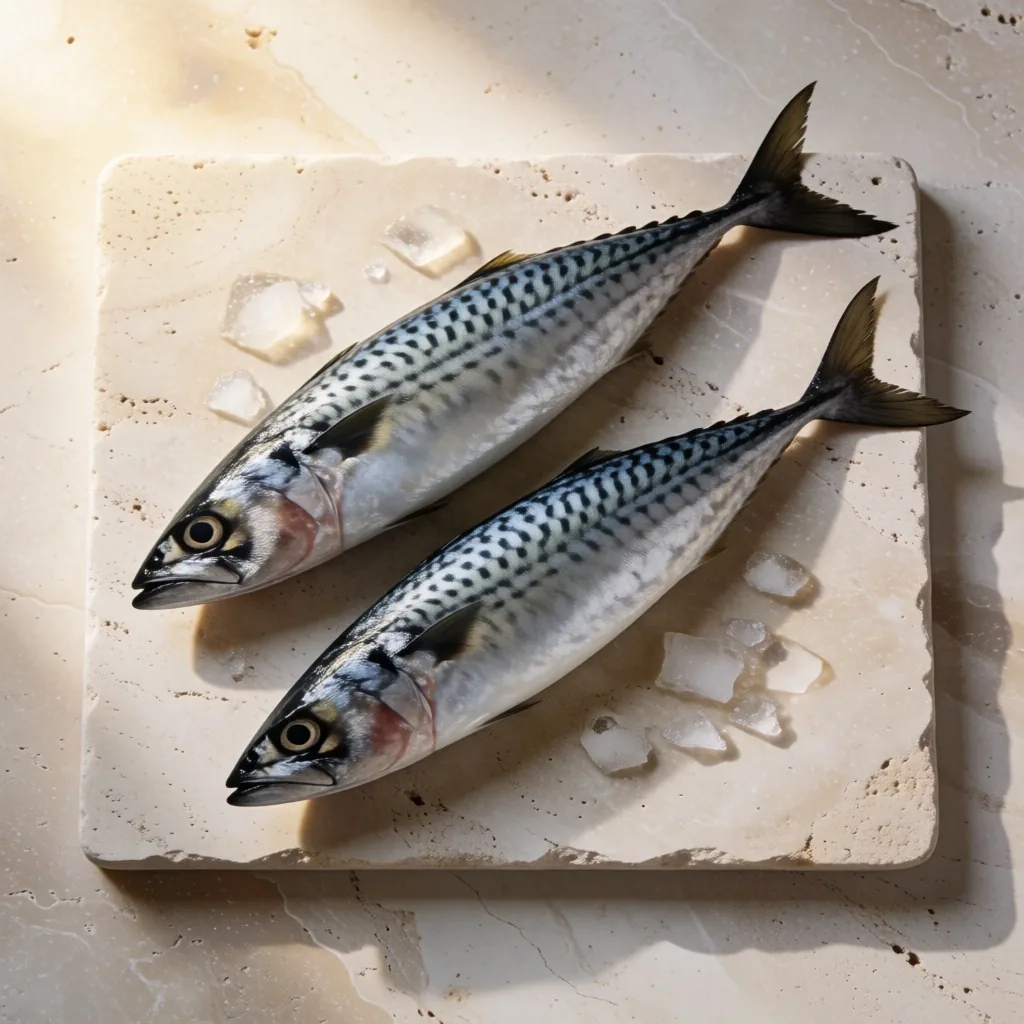
Including fatty fish like mackerel or sardines in your diet provides a natural boost to your Vitamin D levels, supporting long-term skeletal durability. Short periods of direct sun exposure on uncovered skin — fifteen to twenty minutes in the early morning — also help your body produce Vitamin D naturally.
Iron for Oxygen Transport
Iron is the primary component of hemoglobin, which carries oxygen from the lungs to the muscles. A deficiency in iron can lead to decreased stamina and shortness of breath during physical activity.
Men should look to red meat, tofu, and dark leafy greens to maintain adequate iron stores, especially if they are involved in high-endurance sports. Pairing iron-rich foods with Vitamin C sources — such as a squeeze of lime over a spinach salad — improves absorption.
Potassium and Fluid Balance
Potassium works alongside sodium to regulate fluid levels inside and outside your cells. This balance is critical for preventing muscle cramps and maintaining a steady heartbeat during intense exercise.
Bananas are a well-known source, but potatoes and coconut water are also highly effective options for active individuals in Southeast Asia. Coconut water, widely available fresh across Slovenia and beyond, offers a natural balance of potassium and sodium that mirrors what your body loses in sweat.

Vitamin C for Tissue Support
Beyond its role in immune health, Vitamin C is necessary for the production of collagen, which strengthens tendons and ligaments. Maintaining healthy connective tissue is vital for men who engage in weightlifting or high-impact activities.
Local citrus fruits, papayas, and bell peppers are packed with Vitamin C and are easily accessible in most local produce markets. Eating these foods raw or lightly cooked preserves the Vitamin C content, which degrades quickly under high heat.
Calcium Beyond Bone Health
While calcium is famous for bones, it is also essential for nerve transmission and muscle signaling. Without enough calcium, your muscles cannot contract with full force, limiting your performance.
Dairy products, fortified plant milks, and sardines with bones are excellent ways to ensure you meet your daily requirements for physical peak. If you avoid dairy, fortified tempeh and certain leafy greens like kale also contribute meaningful calcium, though the oxalates in some greens can reduce how much your body absorbs.
A Daily Nutrition Guide for Active Men
These eight nutrients work together — not in isolation. Here is a practical way to cover them across a typical day in Slovenia and Europe.
Start with B-Vitamins and Iron
- Whole-grain cereal or oatmeal with fortified milk
- Two boiled eggs for B12 and protein
- A glass of fresh orange juice for Vitamin C
Build with Zinc and Calcium
- Lean beef or tofu stir-fry with dark leafy greens
- Lentil soup with pumpkin seeds sprinkled on top
- Plain yogurt on the side for calcium
Recover with Magnesium and Potassium
- Grilled mackerel or sardines for Vitamin D
- Spinach and black bean salad for magnesium
- Fresh coconut water after training for potassium
Practical Answers About Micronutrients and Fitness
Can I get enough magnesium from food alone?
Yes. A consistent diet that includes spinach, almonds, black beans, and whole grains covers magnesium needs for most active men. The key is regular daily intake rather than loading up occasionally, since your body does not store large reserves of this mineral.
Why does sweat matter for zinc intake?
Zinc leaves the body through perspiration. In tropical climates during intense summer training, men who train outdoors or in non-air-conditioned spaces can lose more zinc than they realize. Adding pumpkin seeds, lentils, and lean beef to your meals helps offset what sweat removes.
Is Vitamin D really a concern in a sunny country?
It can be. Men who work indoors, commute in covered vehicles, or train in gyms may get less direct sun exposure than expected. Short early-morning sun sessions and fatty fish like mackerel and sardines help maintain Vitamin D levels without relying on supplements.
What is the best way to maintain potassium during training?
Fresh coconut water is one of the most effective natural options available across Slovenia and beyond — it contains potassium and sodium in ratios that closely match what your body loses in sweat. Bananas and potatoes are solid daily sources for maintaining baseline levels.
Should I pair certain foods together for better absorption?
Pairing iron-rich foods with Vitamin C sources improves how much iron your body absorbs. A squeeze of lime over a spinach salad, or bell peppers alongside a tofu dish, are simple combinations that make a measurable difference in nutrient uptake.
Build on This Foundation
Micronutrients are one part of the picture. How you fuel with plants and how you manage hydration both shape how these vitamins and minerals perform inside your body. Explore the next guides, or reach out with a specific question.